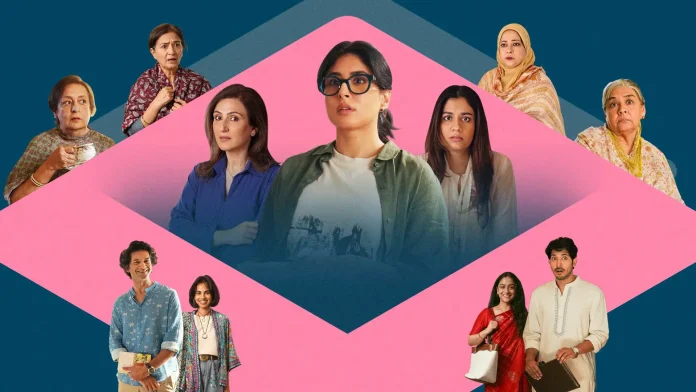
The Great Shamsuddin Family (2025): Plot, Cast, and Release Details Explained
Anusha Rizvi returns to the director’s chair with a sharp, claustrophobic chamber drama exploring the chaotic heart of a modern Indian Muslim household.
After a 15-year hiatus following her acclaimed debut Peepli Live, director Anusha Rizvi is back with The Great Shamsuddin Family. Eschewing the rural landscapes of her previous work for the cramped interiors of a Delhi apartment, Rizvi delivers a narrative that is equal parts screwball comedy and sociopolitical commentary. Streaming now on JioHotstar, this film features a powerhouse ensemble cast led by Kritika Kamra and veteran actress Farida Jalal.
Below is a comprehensive guide to the film’s plot, cast, and production details.
Quick Film Facts
| Category | Details |
| Title | The Great Shamsuddin Family |
| Release Date | December 12, 2025 |
| Director | Anusha Rizvi |
| Genre | Comedy, Drama, Chamber Piece |
| Runtime | 96 Minutes |
| Language | Hindi |
| Platform | JioHotstar |
| Production | Third World Films, Star Studios |
Plot Synopsis: A Day in the Life of the Shamsuddins
The film unfolds over the course of a single, frantic day, confined almost entirely to the living room of Bani Ahmed, a disciplined and ambitious writer living independently in Delhi.
The Setup
Bani (Kritika Kamra) wakes up with a singular goal: she has exactly 12 hours to finalize and submit a manuscript for a prestigious fellowship at an American university. This fellowship represents her ticket out of her current stagnation and a chance to escape the stifling expectations of her community. She prepares for a day of isolation and focus.
The Chaos Begins
Her plans are dismantled early in the morning when her younger cousin, Iram (Shreya Dhanwanthary), barges in unannounced. Frantic and impulsive, Iram is carrying a bag containing ₹25 lakh in cash—money she secretly withdrew from her mother’s account to give to a boyfriend who has suddenly stopped returning her calls.
The Invasion
Before Bani can manage Iram’s crisis, the apartment becomes a revolving door for the extended Shamsuddin clan. The matriarchs arrive in full force:
-
Asiya (Dolly Ahluwalia): Bani’s mother, who is as critical as she is affectionate.
-
Akko (Farida Jalal): The formidable, witty, and commanding eldest aunt.
-
Safiya (Sheeba Chaddha): The quieter, more traditional aunt.
The elders believe they have gathered to finalize logistics for an upcoming Umrah pilgrimage, blissfully unaware of the financial disaster Iram has created or the emotional storms brewing elsewhere.
The Breaking Point
The pressure cooker situation explodes further with the arrival of Bani’s cousin, Zohaib (Nishank Verma). He brings his Hindu girlfriend, Pallavi, announcing that they have eloped and intend to marry immediately to preempt familial opposition.
As the small flat reaches capacity—further crowded by Bani’s pretentious academic friend Amitav (Purab Kohli)—the film delves into a collision of secrets, intergenerational conflict, and the specific anxieties of being a minority family in contemporary India.
Cast and Characters
The film relies heavily on its ensemble performance, with each actor representing a different facet of the family dynamic.
-
Kritika Kamra as Bani Ahmed: The anchor of the story. Bani is the “responsible eldest daughter,” a modern woman trying to balance her individual ambitions with her loyalty to a dysfunctional family.
-
Farida Jalal as Akko: The matriarch who holds the family together with wit and an iron fist. Her performance is being hailed as a career highlight.
-
Shreya Dhanwanthary as Iram: The agent of chaos. Iram is flighty, naive, and emotionally volatile, providing a stark contrast to Bani’s stoicism.
-
Dolly Ahluwalia as Asiya: Bani’s mother, whose concern for her daughter often manifests as nagging.
-
Sheeba Chaddha as Safiya: A nuanced portrayal of a woman caught between tradition and the changing world.
-
Purab Kohli as Amitav: A satire of the “intellectual liberal,” Amitav offers unsolicited advice and high-minded theories that clash with the family’s practical reality.
-
Juhi Babbar Soni as Humaira: The eldest sister figure who attempts to mediate the madness.
-
Nishank Verma as Zohaib: The cousin whose interfaith relationship introduces the film’s most sensitive thematic undercurrents.
Why It Matters: Themes and Direction
The Return of Anusha Rizvi
Anusha Rizvi made waves globally with Peepli Live (2010), a satire on farmer suicides that was India’s official entry to the Oscars. The Great Shamsuddin Family marks her return to feature filmmaking after 15 years. Her direction here is intimate and theatrical, using the single location to mirror the claustrophobia of the characters’ lives.
Social Commentary
While on the surface a comedy, the film subtly addresses heavier themes:
-
The Minority Experience: Through hushed conversations and character anxieties, the film explores the sense of insecurity felt by Indian Muslims in the current political climate.
-
Interfaith Relationships: The subplot involving Zohaib and Pallavi touches on the societal friction surrounding inter-religious marriage without becoming preachy.
-
Generational Divide: The film sharply contrasts the pragmatism of the older women (Akko, Asiya) with the confusion and restlessness of the younger generation (Bani, Iram).
Where to Watch
The Great Shamsuddin Family bypassed a theatrical release and premiered directly on streaming.
-
Streaming Platform: JioHotstar
-
Premiere Date: December 12, 2025
-
Availability: Global (accessible via JioHotstar in India and partner platforms internationally).
Frequently Asked Questions
Is The Great Shamsuddin Family based on a true story?
No, the film is a fictional narrative written by Anusha Rizvi, though it draws inspiration from the real-life dynamics and conversations typical of North Indian families.
Is it a sequel to Peepli Live?
No. While both films are directed by Anusha Rizvi and share a satirical tone, they are unrelated in story and setting.
What is the age rating?
The film is generally suitable for family viewing, though it contains mature themes regarding marriage and politics. It is rated U/A 13+.
How long is the movie?
The runtime is approximately 1 hour and 36 minutes.